








The Original Brand. Unmatched By Imitations.The Original Brand. Unmatched By Imitations.The Original Brand. Unmatched By Imitations.The Original Brand. Unmatched By Imitations.

Hemp Around Europe

Guides

Hemp is one of Europe’s oldest working plants. For centuries it held up sails, tied down cargo and filled soup bowls. It gave us words we still use today. So pack a small bag (a hemp one, if you like) and join us on a quick tour across the continent.

Where the story begins

According to Britannica, hemp originated in Central Asia. People in China were growing it for fibre as early as 2800 BCE. In Europe, hemp was grown in the Mediterranean countries early in the Christian era. It then spread through the rest of Europe during the Middle Ages.

Plants grown for fibre were sown close together. Britannica notes that they usually reach 2 to 3 metres tall, with almost no branches.

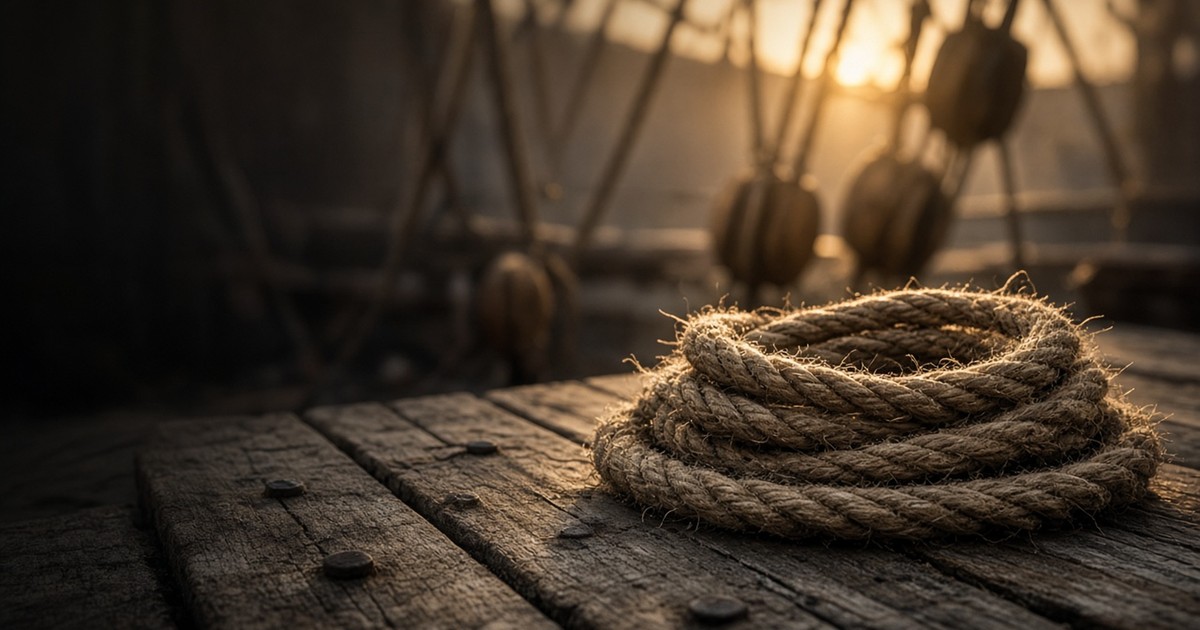
Getting the fibre out took real work. The stalks went through retting, drying and crushing. Then a shaking process separated the long fibre from the woody core. The result was a strong, durable fibre. It was perfect for twine, rope, cable and coarse fabrics such as sacking and canvas.

A word woven from hemp

Here is a fun fact for your next quiz night. The word “canvas” comes from hemp. Etymonline traces it back to the Old French “chanevaz”, which means “made of hemp”. That word comes from the Latin “cannabis”. The English word dates from the mid 14th century. So every painting on canvas carries a little hemp in its name.

France: a royal ropeworks in Rochefort

Sailing ships needed huge amounts of rope. In the 17th century, King Louis XIV wanted to rebuild the French navy. A navy needs an arsenal, and an arsenal needs a ropeworks.

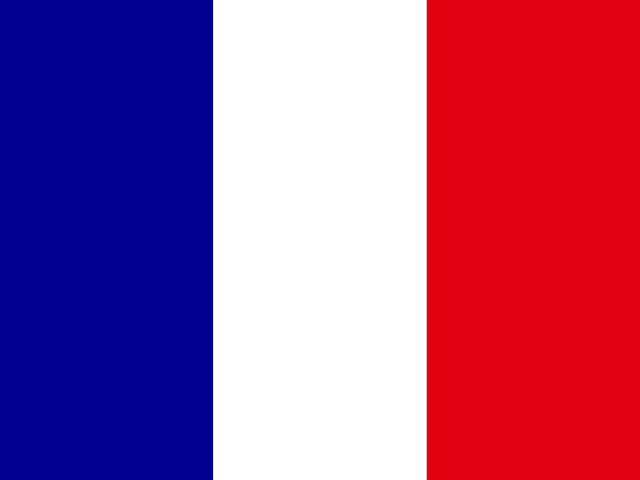
In Rochefort, the Corderie Royale (Royal Ropeworks) was the very first building of the new arsenal. The naval intendant Colbert de Terron decided to build it on 25 March 1666. The building was finished in 1669. According to the Corderie Royale, it was the longest manufacture in Europe in the 17th century. The French heritage database records it at 373 metres long and 8 metres wide.

Why so long? The longest rope, about 195 metres, was called an “encablure”. As the museum puts it, you needed a long building to make it.

Only hemp fibre was used at the Corderie. The museum explains that the hemp stem was long (about 2.10 metres) and known for its strength. The French heritage database says the hemp came mostly from Auvergne and Brittany. Workers combed and spun it into yarn, then twisted the yarn into strands and rope.

The golden age did not last forever. The Corderie closed in 1862. In the museum’s words, steel and steam finally won over hemp. The building was burned in 1944 and later restored. Today it is home to the Centre International de la Mer, which opened there in 1985.


Popcorn Budz - Available NOW

Newly launched and in 6 different strains, these tiny, mighty buds come with their own airtight pot and are a cheaper alternative to our main Budz range!

Shop Now

Sweden: sails and rigging on the Vasa

Now let us sail north to Stockholm. The warship Vasa sank in 1628, and today it is the star of the Vasa Museum.

Building a big ship took materials from all over northern Europe. The museum lists tar from southern Sweden and Finland, and sailcloth from the Netherlands and France. The hemp came from Latvia.

When the ship was raised, archaeologists found a surprise. Six of Vasa’s original sails, plus two smaller boat sails, were folded on the orlop deck. They were made of hemp and flax. These plant fibres do not normally survive, and the sails were very fragile. Their conservation took over a decade. The museum now holds the remains of 650 square metres of sail.

One sail, the fore topgallant, covers a whole wall in the exhibition. It measures 32 square metres. As far as the museum knows, it is the oldest surviving sail in the world.

Poland: hemp at the Christmas table

Hemp was not only for ships. In Silesia, a region of Poland, hemp seeds go into a special soup called siemieniotka. It is served at Wigilia, the Christmas Eve supper.

The Polish Ministry of Agriculture added siemieniotka to its list of traditional products on 14 May 2007, for the Opole region. The ministry’s entry describes a grey soup with dark specks of ground hemp seed. Its taste is described as velvety, sweet and salty, with a light milky note.

Making it was hard work. Cooks boiled the hemp seeds in salted and sweetened water until they cracked. Then they pounded the seeds into a paste. They rinsed the paste with boiling water until the water turned white, sometimes five times. Finely ground millet went in at the end, with salt and sugar to taste.

The entry also shares an old belief. Millet, buckwheat and hemp grains met on one plate, and people believed these grains held magic power and promised good fortune. The ministry notes that the recipe is still passed down from generation to generation.

Farming heritage and the modern hemp industry

So where is European hemp today? The European Commission describes hemp as “a crop grown across Europe”. Its hemp page states: “France is the largest producer, accounting for more than 60% of EU production, followed by Germany (17%) and The Netherlands (5%).”

The Commission also points out some farming qualities of the plant. Hemp covers the ground just three weeks after germination. Its flowering cycle usually runs between July and September, and it produces large amounts of pollen.

The Commission lists textiles, because hemp fibre is very similar to linen. It lists construction materials such as hempcrete, hemp wool and fibre board insulation. Hemp fibre is also used for paper. Hemp based materials even appear in car manufacturing, railway, aviation and aerospace.

Farmers need the right seeds too. The Commission notes that in 2024, 116 hemp varieties were registered in the EU common catalogue of varieties of agricultural plant species.

The European Industrial Hemp Association (EIHA) was officially founded in 2005. It represents farmers, processors and manufacturers across the hemp chain, from seed to shelf.

The end of our tour

From French ropeworks to a Swedish warship, and from a Silesian soup pot to modern fields, hemp has left its mark all over Europe. It is a plant with a long memory and a busy present.

If this tour has made you curious about the plant, you can explore our CBD Flower hub. Or take a look at our Budz range.

Professor Herb products are for adults aged 18 and over only.